
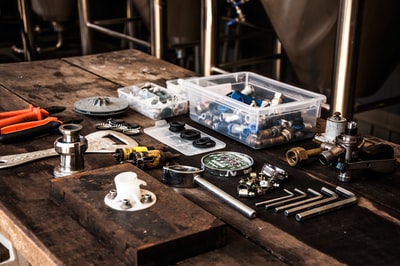
Are you tired of dealing with leaky faucets and clogged drains? It may be time to take matters into your own hands with some essential plumbing maintenance tips. In this comprehensive guide, we will explore how you can tackle common plumbing issues in your home without having to call a professional.
From unclogging drains to fixing leaky pipes, we’ve got you covered. So grab your toolbox and get ready to become a DIY plumbing expert.
By following these simple tips, you can save time and money while keeping your home in tip-top shape. So don’t wait until it’s too late – start taking control of your home’s plumbing today!
Table of Contents
Inspecting for Leaks
Inspect for leaks, unclog drains, and fix dripping faucets promptly to prevent water damage and save on water bills. Additionally, maintain your water heater by flushing it periodically and checking for leaks to extend its lifespan and improve energy efficiency.
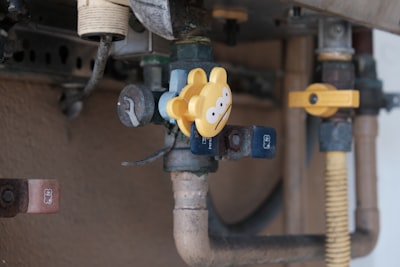
During colder months, prevent frozen pipes by insulating them and keeping your home adequately heated. By following these maintenance tasks regularly, you can keep your plumbing system in top condition and avoid unexpected issues.
Unclogging Drains
Regularly inspect for leaks by checking faucets, sinks, and appliances that use water. Use a plunger or drain snake to unclog drains promptly and prevent backups. Replace worn-out washers in dripping faucets to save water and reduce utility bills. Keep an eye on the water heater by flushing it periodically and checking for leaks to optimize performance and prevent malfunctions.
Insulate pipes in colder months to avoid frozen pipes and potential water damage. Maintain a consistent indoor temperature and seal any gaps to prevent freezing. Flush the water heater annually to remove sediment buildup and adjust temperature settings for improved efficiency and prolonged lifespan.
These DIY plumbing maintenance steps will ensure smooth and efficient operation, saving time and money in the long run.
Fixing Dripping Faucets
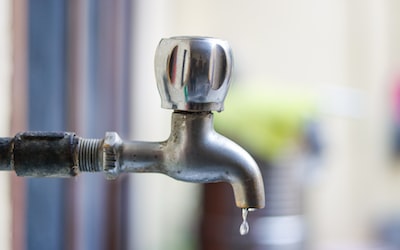
Fixing a dripping faucet is a simple DIY task that can save you money on your water bill. Start by turning off the water supply under the sink. Then, replace any worn-out washers or O-rings in the faucet handle. Make sure to use the right replacement parts for your faucet model. After fixing the components, reassemble the faucet, turn the water back on, and check for leaks. Regularly maintaining your faucets not only improves functionality but also helps conserve water in your home.
Maintaining Water Heater
According to the Plumbing Manufacturers Institute (PMI), flushing the water heater annually can help remove sediment buildup, which can improve energy efficiency and prevent corrosion. Regular maintenance tasks for water heaters also include checking for leaks and ensuring all connections are tight.
To maintain your water heater, consider setting a schedule to flush it at least once a year. This simple task can extend the lifespan of your water heater and reduce the risk of unexpected breakdowns. Additionally, insulating the pipes connected to the water heater can help prevent heat loss and improve overall efficiency.
By following these maintenance practices recommended by the Plumbing Manufacturers Institute (PMI), you can ensure that your water heater operates smoothly and efficiently for years to come.
Preventing Frozen Pipes
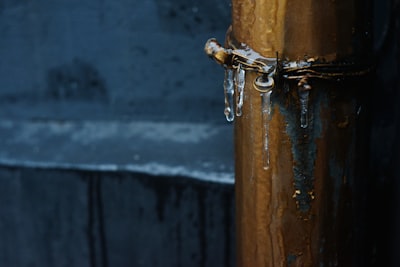
Frozen pipes can cause expensive repairs and water damage if they burst. Insulating pipes, especially in unheated areas, can prevent freezing. To insulate pipes, use foam pipe insulation or heating tape. Keep the home heated adequately and let faucets drip in extreme cold. To thaw frozen pipes safely, apply heat with a hairdryer or heating pad. Avoid open flames or high-heat devices. Check for drafts and seal gaps around pipes to prevent freezing.
Say Goodbye to Leaky Faucets and Clogged Drains: A DIY Home Plumbing Maintenance Guide
Are you tired of dealing with leaky faucets and clogged drains in your home? Look no further than Local Plumbers in Bankstown | Plumbing Services | 04Plumbing to assist with all your plumbing needs. With a team of experienced professionals ready to provide timely and efficient solutions, you can rest assured that your home or business will run smoothly without any interruptions.
But why rely on professionals when you can take matters into your own hands with our DIY Home Plumbing Maintenance Guide? From simple tasks like unclogging a drain to more complex issues like replacing a water heater, our guide is designed to help you tackle any plumbing problem with ease. Say goodbye to costly service calls and hello to a more efficient and cost-effective approach to home maintenance.
Contact Local Plumbers in Bankstown | Plumbing Services | 04Plumbing today to learn more about how we can help you keep your plumbing in tip-top shape.
Frequently Asked Questions
Some common plumbing issues that homeowners can fix on their own include fixing minor leaks, unclogging drains, replacing worn-out washers, and repairing running toilets.
It is recommended to perform plumbing maintenance tasks at least once a year to prevent major issues from developing. However, regular checks and quick repairs as needed can help keep your plumbing system in good condition.
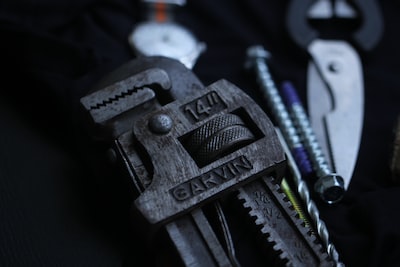
Some essential tools to have for DIY plumbing maintenance include a plunger, pipe wrench, adjustable wrench, plumber’s tape, drain snake, and a set of screwdrivers. These tools will help you tackle most minor plumbing issues in your home.
Yes, regular maintenance can help prevent future plumbing problems by identifying and addressing small issues before they escalate into larger, more costly problems. By taking proactive steps to maintain your plumbing system, you can save time and money in the long run.
In a Nutshell
From leaky faucets to clogged drains, home plumbing issues can be a major headache for homeowners. That’s why having a DIY home plumbing maintenance guide is essential for keeping your plumbing in top shape.
With simple tasks like checking for leaks, clearing out drains, and insulating pipes, you can prevent costly repairs down the line. Remember, a little maintenance can go a long way in preserving the longevity of your home’s plumbing system.
So roll up your sleeves, grab your tool kit, and get ready to tackle those pesky plumbing problems with confidence. Your pipes will thank you!